
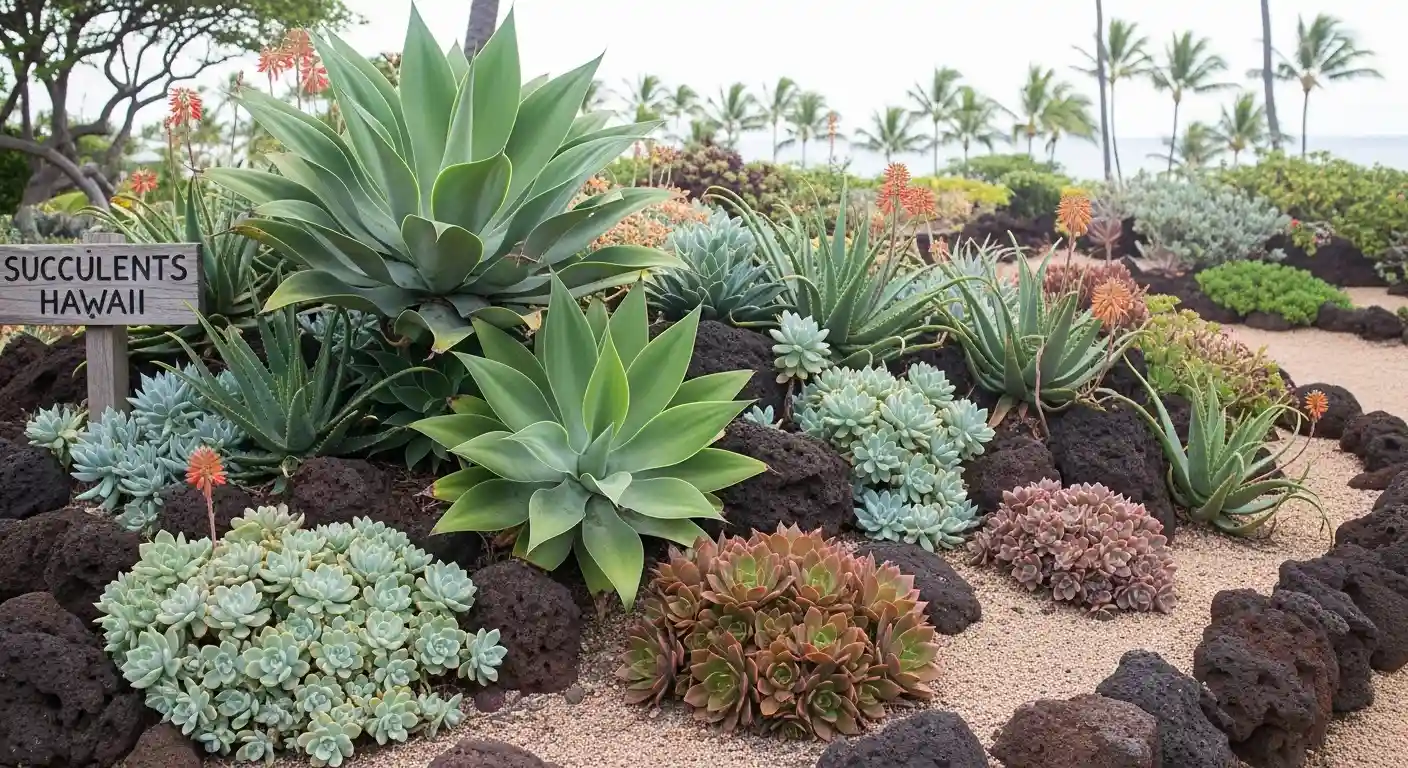

If you’ve ever tried growing succulents in Hawaii, you already know it’s a bit of a love-hate relationship. These drought-tolerant beauties seem like they’d thrive anywhere — but Hawaii’s humidity, rainfall, and volcanic soil throw some curveballs even experienced gardeners don’t expect. The good news? With the right approach, succulents in Hawaii can absolutely flourish, and they can look stunning doing it.
Let’s dig into everything you need to know — from choosing the right varieties to dodging the most common pitfalls.
Why Hawaii Is Both Perfect and Challenging for Succulents
At first glance, Hawaii sounds like a dream for succulents. Warm temperatures year-round, plenty of sunshine, and no harsh winters. But the reality is more nuanced.
Hawaii’s tropical humidity is the real challenge. Most succulents evolved in arid desert environments. They store water in their leaves precisely because their native soil dries out fast. In Hawaii — especially on the windward sides of islands like Oahu, Maui, and the Big Island — moisture lingers in both the air and the ground. That creates the perfect recipe for root rot if you’re not careful.
That said, the leeward (dry) sides of Hawaiian islands are practically made for succulents. Areas like Kona on the Big Island or West Maui get far less rainfall and have well-draining conditions that succulents absolutely love.
The key is understanding your microclimate before you plant.
Best Succulents to Grow in Hawaii
Not all succulents handle Hawaii’s conditions equally. Some varieties are much more forgiving of humidity and occasional heavy rain.
Top Varieties That Thrive in Hawaii
- Aloe vera — Practically bulletproof in Hawaii. It handles humidity well, loves full sun, and the volcanic soil suits it perfectly.
- Agave — These bold, dramatic plants do exceptionally well on dry leeward slopes. They’re slow-growing but incredibly hardy.
- Kalanchoe — A popular choice across the islands. It tolerates some moisture and blooms beautifully in Hawaii’s light.
- Portulacaria afra (Elephant Bush) — Thrives in containers and tolerates Hawaii’s warmth without complaint.
- Echeveria — Works well in containers where you can control moisture levels. Needs protection from heavy rain.
- Sedum — Adaptable and tough. Some species handle Hawaiian conditions better than others, so choose low-humidity varieties.
Varieties to Approach With Caution
- Haworthia — Prefers lower humidity. Can work in indoor settings or screened lanais.
- Crassula (Jade Plant) — Manageable, but prone to fungal issues if overwatered or left in wet soil.
Soil and Drainage: The Foundation of Success
If there’s one thing that makes or breaks succulent growing in Hawaii, it’s drainage. Hawaii’s native soil ranges from dense clay to volcanic rock, and neither is ideal straight out of the ground.
What to Use Instead
Mix your own well-draining succulent soil using:
- 50% coarse perlite or pumice
- 50% commercial cactus/succulent mix
This combination lets water move through quickly, which prevents the dreaded soggy-root situation. If you’re planting directly in the ground (rather than containers), amend the soil heavily with pumice — it’s widely available on the islands and works beautifully.
Raised beds are another excellent option. They give you full control over your soil composition and keep plants elevated above ground moisture.
Hawaiian Crawfish: What You Need to Know
Sunlight and Placement in Hawaii
Hawaii’s sun is intense — and that’s mostly a good thing for succulents. However, the midday sun, especially in summer, can scorch lighter-colored varieties like pale Echeverias.
Here’s a practical approach:
- Morning sun + afternoon shade works well for more delicate succulents.
- Full sun all day suits Aloe, Agave, and most hardy varieties perfectly.
- Leeward-facing spots (west and south-facing) tend to be drier and sunnier — great for sun-loving succulents.
- Windward locations need more protection, both from moisture and strong trade winds.
If you’re on the rainy side of any island, consider placing succulents under a covered lanai or roof overhang. They’ll still get plenty of indirect light while staying dry during heavy rains.
Watering: Less Is Always More
One of the most common mistakes people make with succulents in Hawaii is overwatering — often without even realizing it. Between trade wind showers and high ambient humidity, your plants may be getting far more moisture than you think.
A good rule of thumb: if it rained in the last few days, skip watering entirely.
For established plants in containers:
- Water deeply but infrequently.
- Let the soil dry out completely between waterings.
- Always check the bottom inch of soil with your finger before reaching for the watering can.
During Hawaii’s winter months (October through March), rainfall increases across most of the islands. Dial back watering significantly during this period.
Pros and Cons of Growing Succulents in Hawaii
Pros
- Warm temperatures mean no frost damage — ever.
- Year-round growing season keeps plants active longer.
- Volcanic pumice is a natural, affordable drainage amendment.
- Many varieties grow larger and faster than they would in cooler climates.
- Low-maintenance once established in the right microclimate.
Cons
- High humidity increases risk of root rot and fungal disease.
- Windward areas receive too much rain for many species.
- Intense midday sun can scorch delicate varieties.
- Pests like mealybugs thrive in warm, humid conditions.
- Some popular succulent varieties simply don’t adapt well to tropical moisture.
Common Mistakes to Avoid
Even experienced gardeners run into trouble with succulents in Hawaii. Here are the mistakes that trip people up most often:
Using regular potting soil. Standard potting mixes hold too much moisture. Always use a fast-draining mix or make your own with pumice and cactus soil.
Planting on the windward side without protection. The rainfall on windward Hawaii is relentless. If you’re set on growing succulents there, use containers under covered structures.
Overwatering during the rainy season. Nature is already watering your plants. Adding more water on top of natural rainfall is one of the fastest ways to lose a plant.
Choosing the wrong varieties. Not every succulent sold at a garden center is suited for Hawaii’s climate. Research before you buy.
Skipping pest checks. Mealybugs, scale insects, and aphids love warm weather. Check your plants weekly and treat early with isopropyl alcohol or neem oil.
Best Practices for Thriving Succulents in Hawaii
Follow these guidelines and you’ll be well ahead of most island gardeners:
- Know your microclimate. Wet side or dry side changes everything.
- Use containers whenever possible. They give you control over soil, drainage, and placement.
- Elevate pots on stands or feet to improve airflow and drainage underneath.
- Repot every 1–2 years to refresh soil and check root health.
- Fertilize lightly once in spring with a diluted, low-nitrogen succulent fertilizer.
- Group plants by water needs. Don’t mix succulents with tropicals that require frequent watering.
- Acclimate new plants gradually. If you’re moving a plant from indoors to full Hawaiian sun, introduce it slowly over a couple of weeks.
Conclusion
Growing succulents in Hawaii is genuinely rewarding once you work with the island environment rather than against it. The key is understanding your specific location, choosing the right varieties, and getting your drainage situation dialed in before anything else. Hawaii’s warmth and sunshine give succulents a real advantage — you just need to manage the moisture side of the equation.
Start with hardy varieties like Aloe or Agave, invest in good pumice-heavy soil, and pay attention to how much natural rainfall your spot receives. Do those three things, and your succulent garden will thrive in paradise.
Frequently Asked Questions
1. Can succulents survive Hawaii’s humidity?
Yes, many varieties can. The key is excellent soil drainage, proper placement in a sunny and relatively dry spot, and choosing humidity-tolerant species like Aloe vera or Agave.
2. What is the best soil mix for succulents in Hawaii?
A mix of 50% coarse perlite or pumice and 50% commercial cactus mix works best. This allows water to drain quickly and prevents root rot in humid conditions.
3. Do succulents grow faster in Hawaii?
They can, yes. The year-round warmth and longer growing season often means succulents grow larger and more vigorously than in cooler mainland climates.
4. Which side of Hawaii is better for growing succulents?
The leeward (dry) side of each island is generally better for succulents. Areas like Kona on the Big Island or West Maui receive far less rainfall and offer the dry, sunny conditions succulents prefer.
5. How often should I water succulents in Hawaii?
Much less than you think. Check the soil first — it should be completely dry before watering. During the rainy season, you may not need to water at all for weeks at a time.
