

Introduction
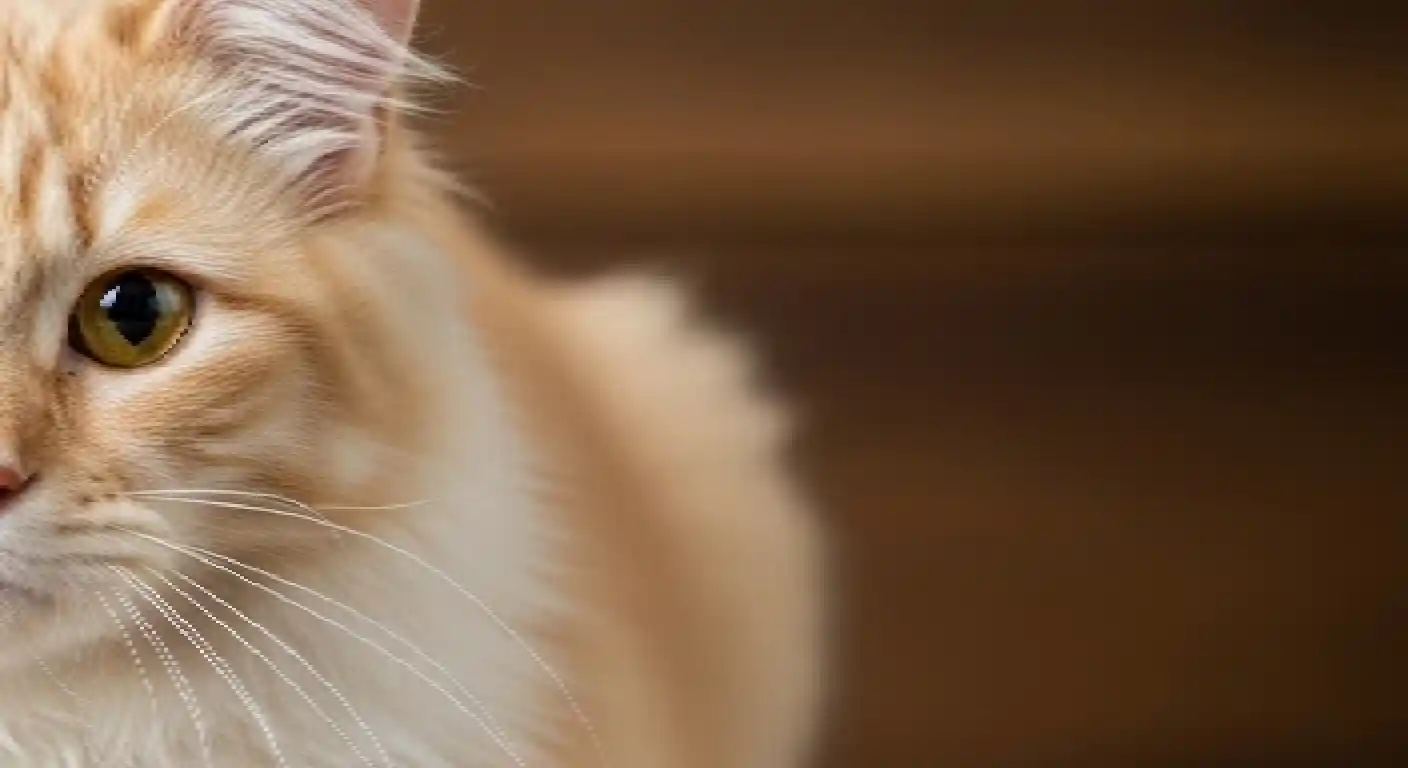
There’s something almost otherworldly about watching an Angora cat move across a room. The silky fur flows, the tail fans out like a plume, and those bright, alert eyes seem to take in everything at once. The splendor of the Angora cat isn’t just about looks — it runs deeper into their personality, history, and the unique bond they form with their humans.
Whether you’re considering bringing one home or you’re already owned by one (yes, owned — Angora cats have a way of taking charge), this guide covers everything you need to know about this remarkable breed.
What Makes the Angora Cat So Special?
The Turkish Angora is one of the oldest natural cat breeds in the world. Originating from Ankara, Turkey — formerly known as Angora — these cats were prized by European royalty as far back as the 16th century. French and British nobles kept them as status symbols, and it’s easy to see why.
What sets them apart isn’t just the coat. It’s the whole package:
- A long, silky single-layer coat that sheds less than double-coated breeds
- A slim, elegant body built more like a dancer than a tank
- Large, expressive almond-shaped eyes — often odd-colored (one blue, one amber)
- An incredibly social and intelligent temperament
- A playful, sometimes mischievous personality that lasts well into adulthood
They’re not background cats. Angoras want to be in the middle of whatever you’re doing.
The Angora Cat’s Coat: Silky Elegance Up Close
Texture and Colors
The coat is where most people fall in love first. It’s fine, soft, and has a natural sheen that catches light beautifully. Unlike Persian cats, Angoras don’t have an undercoat, which means less matting and somewhat easier grooming.
They come in a wide range of colors including:
- Classic white (the most iconic)
- Black, blue, and cream
- Tabby and tortoiseshell patterns
- Smoke and shaded varieties
White Angoras with odd eyes — one blue and one green or amber — are considered especially prized, particularly in Turkey where they’re considered a national treasure and protected at the Ankara Zoo.
Grooming Without the Drama
Despite their luxurious appearance, Angoras are not high-maintenance nightmares. A good brushing two to three times a week keeps the coat tangle-free and reduces shedding around the house. During spring shedding season, you may want to bump that up to daily sessions.
Use a fine-toothed comb or a slicker brush, and always work gently from the ends upward to avoid pulling. Most Angoras actually enjoy grooming time if you start early and keep it calm.
Temperament: More Dog Than Cat
This is where Angora cats surprise most new owners. They’re not the aloof, independent creatures many people expect from a cat. Angoras are:
Highly social — They follow you from room to room and genuinely prefer company over solitude.
Intelligent and trainable — Many Angora owners successfully teach their cats to fetch, walk on a leash, and respond to commands. They pick things up fast.
Vocal but not demanding — They’ll let you know what they think, but they’re not as insistent as Siamese cats.
Playful at any age — An eight-year-old Angora can have the energy of a kitten when the mood strikes.
One thing to understand: Angoras can get bored and frustrated if left alone too long. They need stimulation. Puzzle toys, window perches with a view, and another pet companion (cat or even a dog they’ve grown up with) can make a real difference.
Pros and Cons of Owning an Angora Cat
Pros
- Strikingly beautiful and unique appearance
- Affectionate and deeply bonded with their family
- Lower grooming needs than Persians despite the long coat
- Intelligent and easy to engage with
- Generally healthy with a long lifespan (12–18 years)
- Good with children and other pets when socialized early
Cons
- Not suited for owners who want a low-interaction pet
- Can develop separation anxiety if left alone frequently
- White Angoras may carry a gene linked to deafness, especially in blue-eyed cats
- Requires consistent mental stimulation
- Can be territorial with new animals introduced later in life
- Their curiosity can get them into trouble — they’re natural climbers and explorers
Health Considerations Every Owner Should Know
Angoras are generally a robust breed, but there are a few health concerns worth knowing:
Hypertrophic Cardiomyopathy (HCM) — This is the most common heart disease in cats, and Angoras have a known predisposition. Annual cardiac screenings from a vet experienced with the breed are a smart investment.
Hereditary Ataxia — A neurological condition that can affect kittens. Responsible breeders test for this.
Deafness — White cats with blue eyes have a higher likelihood of being deaf in one or both ears. This is linked to the W gene that produces white coat pigmentation.
Regular vet checkups, a quality diet, and keeping them indoors (or in a safe outdoor enclosure) will go a long way toward keeping your Angora healthy for years.
Common Mistakes New Angora Owners Make
Leaving them alone too long. Angoras are social animals. If your lifestyle means long hours away from home, either reconsider the breed or get a companion animal for them.
Skipping dental care. Like all cats, Angoras are prone to periodontal disease. Brush their teeth or at minimum use dental treats and water additives.
Bathing too frequently. Their coat doesn’t need frequent baths — monthly at most. Over-bathing strips natural oils and leaves the fur dull and prone to breakage.
Ignoring the ears. Angoras can accumulate wax buildup. Check ears weekly and clean gently with a vet-approved solution.
Choosing a poor breeder. The Angora cat market has its share of irresponsible breeding. Always ask for genetic testing results, especially for HCM and ataxia. Visit the cattery if possible.
Best Practices for a Happy Angora Cat
- Establish a grooming routine from kittenhood so they accept it naturally
- Provide vertical space — cat trees, shelves, and perches satisfy their climbing instinct
- Rotate toys regularly to prevent boredom
- Feed a high-protein diet with named meat as the first ingredient
- Schedule annual vet visits including cardiac screening
- Spend at least 20–30 minutes of active play time with them daily
- Keep them indoors or build a safe catio — their trusting nature makes them vulnerable outdoors
Conclusion
The Angora cat is one of those rare breeds that genuinely lives up to the hype. They’re beautiful, yes — but the real magic is in their personality. They’re curious, warm, and deeply connected to the people they love. Owning one is less like keeping a pet and more like gaining a furry roommate with strong opinions and a gorgeous coat.
If you’re ready to give them the attention, enrichment, and care they thrive on, an Angora cat will reward you with years of genuine companionship. Few breeds offer that combination of elegance and personality in quite the same way.
Frequently Asked Questions
1. Are Angora cats good for first-time cat owners?
Yes, but only if you’re prepared for an interactive, social pet. They’re not a hands-off breed. If you want a cat that’s engaged and affectionate, they’re a wonderful first cat.
2. Do Angora cats shed a lot?
Less than many long-haired breeds because they lack an undercoat. Regular brushing keeps shedding manageable throughout the year.
3. How much does an Angora cat cost?
From a reputable breeder, expect to pay between $800 and $2,000 depending on lineage, coat color, and location. Odd-eyed white Angoras are typically at the higher end.
4. Are Turkish Angoras hypoallergenic?
No cat is truly hypoallergenic. However, Angoras produce less Fel d 1 protein than some breeds, which may cause fewer reactions in mildly allergic people. Spend time with the breed before committing.
5. Can Angora cats live with dogs?
Absolutely, with proper introductions. Angoras are confident enough not to be intimidated by dogs, and their social nature often means they form strong bonds with canine housemates.
