
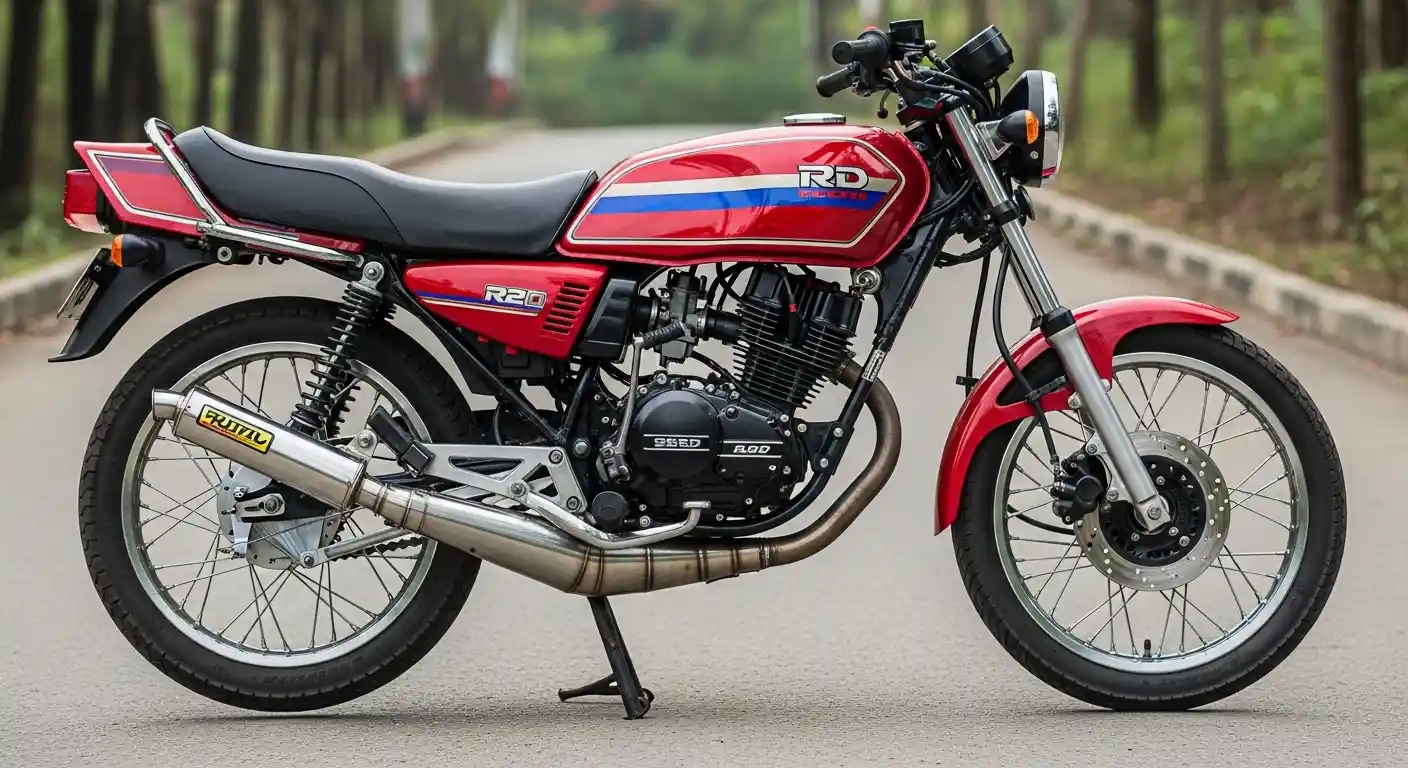

If you’ve been researching ways to boost your motorcycle’s performance, you’ve probably come across the term escapamento RD more than once. It refers to the exhaust system used on RD-series motorcycles — a critical component that affects everything from power output and sound to fuel efficiency and overall riding feel. Whether you’re a weekend rider or a dedicated tuner, understanding your exhaust system is one of the smartest things you can do before spending money on upgrades.
What Is an Escapamento RD and Why Does It Matter?
The exhaust system on an RD motorcycle isn’t just a pipe that pushes out fumes. It’s an engineered component that directly influences how your engine breathes. A well-designed exhaust creates proper back pressure, improves scavenging (the process of clearing spent gases from the cylinder), and ultimately helps the engine perform closer to its potential.
On two-stroke RD engines especially, the exhaust pipe shape and length are tuned to specific RPM ranges. This is why aftermarket options can make such a noticeable difference — even a small change in pipe geometry can shift your power band significantly.
Two-Stroke vs. Four-Stroke Exhaust Systems
Most RD models run two-stroke engines, which behave very differently from four-strokes when it comes to exhaust tuning.
- Two-stroke exhausts use expansion chambers to create pressure waves that push unburned mixture back into the cylinder before the port closes. This is pure physics working in your favor.
- Four-stroke exhausts focus more on reducing restriction and optimizing flow velocity through header design and collector geometry.
If you’re upgrading a two-stroke RD, the expansion chamber design matters enormously. Getting the wrong pipe — even a good-looking one — can actually hurt performance at the RPM range you ride most.
Types of Aftermarket Exhaust Options
When shopping for an upgrade, you’ll generally find three categories:
1. Stock Replacement Pipes These replicate the original design but are often made with better materials. Good choice if your stock pipe is damaged or rusted but you want to keep the original power characteristics.
2. Performance Expansion Chambers Designed to shift or widen the power band. These are popular for riders who want more top-end pull or more mid-range grunt depending on the chamber’s tuning point.
3. Race or Track Pipes Built purely for maximum power with no concern for noise regulations or street legality. Not ideal for daily riding, but excellent for track days.
Nerwey: What It Is and Why It Matters in 2026
Practical Example: Upgrading a Yamaha RD350
Say you’re running a stock Yamaha RD350 and it feels flat above 7,000 RPM. You install a set of performance expansion chambers tuned for 7,500–9,500 RPM. The result is a noticeably stronger pull in that range, improved throttle response, and a more aggressive exhaust note.
However, if you don’t re-jet your carburetors to match the new exhaust flow, you’ll likely run lean — which means less power than expected and potential engine damage over time. This is one of the most common mistakes riders make.
Pros and Cons of Upgrading Your Escapamento RD
Pros
- More power in your target RPM range when properly matched to engine tune
- Weight reduction — aftermarket pipes are often lighter than stock
- Better sound — a cleaner, more mechanical exhaust note
- Improved throttle response at certain RPM points
- Visual upgrade — polished or ceramic-coated pipes look great
Cons
- Cost — quality expansion chambers aren’t cheap
- Requires re-jetting — skipping this step leads to poor results
- Noise compliance — many performance pipes exceed street noise limits
- Power band shift — if tuned for high RPM, low-end response may suffer
- Installation complexity — some fitment requires custom brackets or modification
Common Mistakes to Avoid
These are the errors that cost riders money and performance gains:
Skipping carburetor tuning. This is the biggest one. A new exhaust changes air-fuel dynamics. If you don’t re-jet or adjust your pilot and main jets accordingly, you’re leaving performance on the table — or worse, running dangerously lean.
Buying based on looks alone. Chrome looks great in photos but doesn’t tell you anything about the pipe’s tuning characteristics. Always check if the pipe is designed for your specific engine displacement and RPM preference.
Installing without sealing the header joint. Exhaust leaks at the head pipe connection can cause backfiring, poor performance, and inaccurate tuning reads if you’re trying to dial in your jetting.
Ignoring heat wrapping on nearby components. Performance pipes run hotter. If you don’t protect nearby cables, rubber lines, or frame paint, you’ll regret it quickly.
Using cheap hardware for mounting. Vibration from a two-stroke engine is significant. Low-quality bolts or brackets can loosen, crack, or fail over time.
Best Practices for Exhaust Installation and Maintenance
Follow these steps and you’ll get the most out of your upgrade:
- Research your specific model. RD250 and RD350 pipes are not interchangeable with RD400 setups. Confirm compatibility before purchasing.
- Use copper anti-seize on all header threads. This prevents thread galling and makes future removal much easier.
- Start with the stock jetting as a baseline, then tune. Ride for 10–15 minutes after installation and check your plug color. Tan to light brown is ideal. Black or sooty means rich; white or grey means lean.
- Re-torque header bolts after the first heat cycle. Metal expands and contracts. A second torque pass after the engine has heated and cooled once prevents loosening.
- Inspect the pipe every few months. Check for cracks, loose mounts, and corrosion — especially at weld seams and the header flange.
Conclusion
Upgrading your escapamento RD is one of the most impactful modifications you can make to an RD-series motorcycle, but only when done thoughtfully. The right pipe, properly matched to your engine’s tuning, can transform how your bike pulls through the RPM range and how rewarding it feels to ride.
Take the time to understand what you’re working with — the engine displacement, the RPM range you ride most, and whether you’re building for the street or the track. Then match your exhaust choice to those needs, tune your carburetion to suit, and maintain the system properly.
Done right, it’s one of the most satisfying upgrades in the two-stroke world.
FAQs
1. What is the best escapamento RD for street riding?
For street use, a performance expansion chamber tuned for the mid-range (5,500–8,000 RPM) gives you usable power without sacrificing low-end rideability. Look for pipes with some noise suppression built in.
2. Do I need to re-jet after installing a new exhaust?
Almost always, yes. Any significant change to exhaust flow alters the air-fuel mixture your carburetors deliver. Re-jetting ensures you’re running at the right mixture for both performance and engine longevity.
3. Can I run a single pipe on an RD350 that came with dual pipes?
Technically yes, but you’ll need to block off or modify one cylinder’s port on the intake side as well. It’s not a simple swap and can cause uneven cylinder loading. Most experienced builders don’t recommend it.
4. How do I know if my current exhaust has a leak?
Listen for popping or cracking sounds under load, check for soot marks around the header flange, and feel for hot air escaping near joint connections while the engine is running. Any of these indicate a leak.
5. How long does a performance exhaust last on an RD motorcycle?
With proper care, a quality stainless or chrome-moly expansion chamber can last 10 years or more. Carbon buildup, corrosion from moisture, and mounting stress are the main causes of premature failure. Regular inspection and cleaning extend life significantly.
