
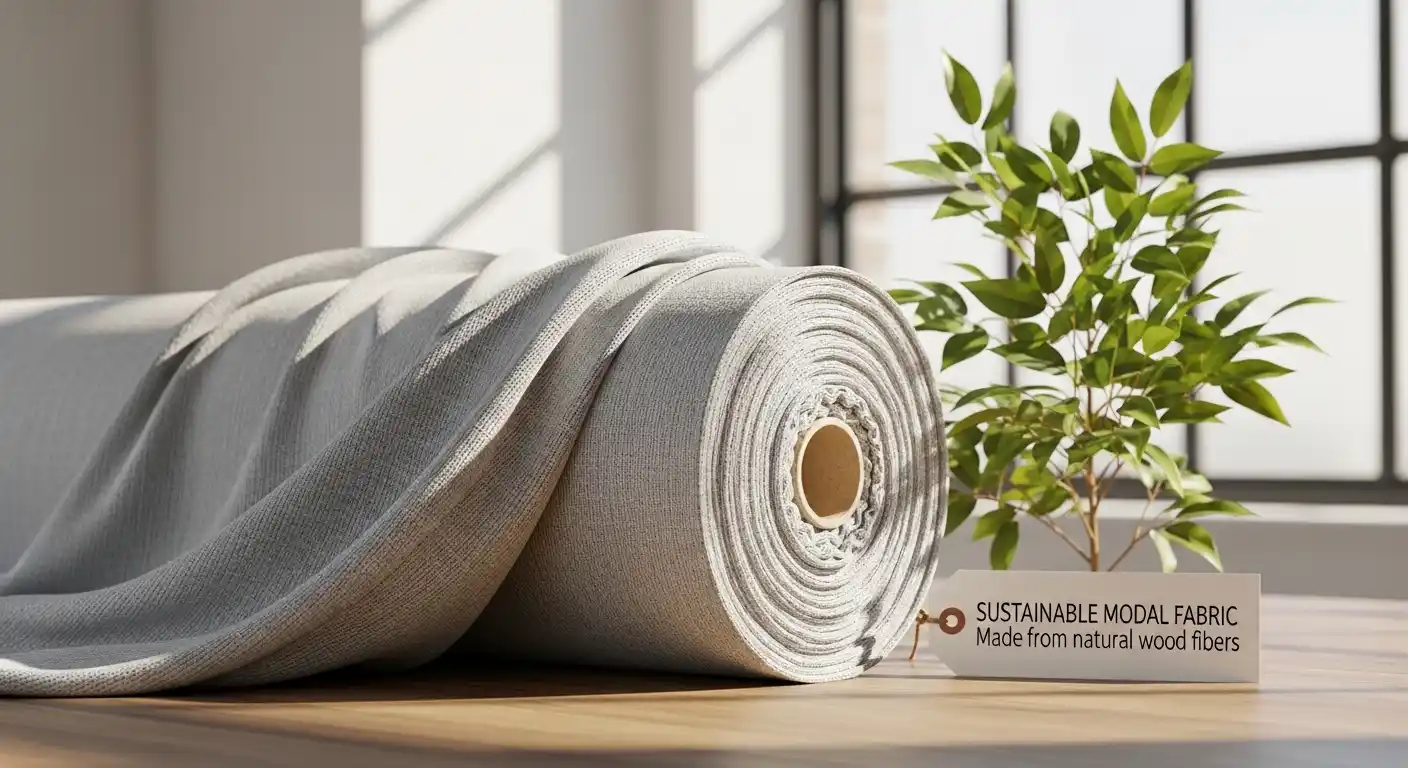

If you’ve been exploring greener wardrobe choices, you’ve probably come across sustainable modal fabric at least once. It’s soft, breathable, and marketed as an eco-friendlier alternative to conventional synthetic fibers. But what exactly is it, and does it live up to the hype? Let’s break it all down in plain language.
What Is Modal Fabric?
Modal is a type of semi-synthetic fabric made from beech tree pulp. It falls under the broader category of rayon, but it’s processed differently — giving it a silkier feel and better durability than standard rayon.
Beech trees are the key here. They grow quickly, require very little water, and don’t need much agricultural land. That’s already a more promising start compared to cotton, which is notoriously thirsty.
The fabric itself is incredibly soft — often compared to cotton but with a slight sheen. It’s also highly absorbent, which makes it a popular choice for underwear, activewear, and loungewear.
Why “Sustainable” Modal Fabric Matters
Not all modal is created equal. The word “sustainable” gets thrown around a lot in fashion, so it’s worth being specific.
Conventional modal production does involve chemicals — most notably carbon disulfide — during the pulping process. These chemicals can be harmful to workers and the surrounding environment if not managed responsibly.
That’s where certified sustainable modal stands apart. Brands like Lenzing, which produces TENCEL™ Modal, use a closed-loop production system. This means the chemicals and water used during manufacturing are captured, recycled, and reused — drastically reducing waste and emissions.
So when shoppers look for sustainable modal fabric, what they’re really looking for is:
- Certified wood sources (FSC or PEFC certified forests)
- Closed-loop or low-impact production processes
- Transparent supply chain practices
- Biodegradable end-of-life properties
Denver Broncos vs Atlanta Falcons Stats: Full Breakdown
How Is Modal Different from Cotton and Bamboo?
Modal vs. Cotton
Cotton is natural, but conventional cotton farming uses enormous amounts of water and pesticides. Modal requires significantly less water to produce and generally has a softer texture. It also holds its shape better after washing, which means garments last longer.
Modal vs. Bamboo
Bamboo fabric sounds incredibly green, and the raw plant itself is. However, most bamboo fabric on the market is processed using the same harsh chemical methods as conventional rayon. Modal — especially certified versions — often has a more transparent and regulated production chain.
Modal vs. Lyocell (TENCEL™)
Lyocell and modal both come from Lenzing’s production line and share the closed-loop process. Lyocell tends to be slightly stiffer and more structured, while modal is known for its drapey, ultra-soft feel. Both are strong sustainable choices.
Common Uses of Sustainable Modal Fabric
Modal shows up in more places than people realize. Its versatility is one of its biggest strengths.
Popular uses include:
- Everyday underwear and intimates
- T-shirts and lightweight tops
- Yoga pants and activewear
- Pajamas and sleepwear
- Baby clothing
- Bed sheets and pillowcases
Because it’s soft against the skin and moisture-wicking, it’s especially popular in garments worn close to the body. Many brands blend it with cotton or spandex to improve stretch and breathability.
Pros and Cons of Sustainable Modal Fabric
Pros
- Incredibly soft and smooth — often softer than cotton
- Moisture-wicking — great for activewear and warm climates
- Durable — resists shrinking and fading through multiple washes
- Biodegradable — breaks down naturally under the right conditions
- Low water use — beech trees don’t require irrigation
- Closed-loop production (certified brands) — minimal chemical waste
Cons
- Semi-synthetic — it’s not a fully natural fiber, which bothers some purists
- Higher cost — sustainable certifications and responsible production raise the price
- Not all modal is equal — uncertified modal may still use harmful chemicals
- Limited transparency — some brands misuse “modal” as a greenwashing tool
- Blended fabrics complicate recycling — modal-spandex blends are harder to recycle
Common Mistakes People Make When Buying Modal
It’s easy to assume that anything labeled “modal” is automatically sustainable. That’s one of the most widespread mistakes consumers make.
Here are a few others to watch out for:
1. Ignoring certifications. Look for labels like OEKO-TEX Standard 100, FSC certification, or TENCEL™ branding. These signal responsible production — a generic “modal” tag doesn’t.
2. Overlooking blends. A shirt that’s 50% modal and 50% polyester is not a sustainable product. The polyester component is petroleum-based and non-biodegradable. Always check the full fiber content.
3. Falling for vague “eco” claims. Words like “natural,” “green,” or “plant-based” on a label mean very little without certification backing them up. Dig deeper.
4. Not checking the brand’s supply chain. Some fast fashion brands use modal fabric while still engaging in unsustainable labor and environmental practices across the rest of their production.
5. Assuming biodegradable means zero impact. Modal can biodegrade, but only under the right conditions. In a sealed landfill, most textiles — including modal — won’t break down efficiently.
Best Practices for Choosing and Caring for Modal
Getting the most out of sustainable modal fabric means both buying smart and caring for it properly.
When Shopping
- Choose certified brands — TENCEL™ Modal by Lenzing is the gold standard
- Read the full label — look at every fiber in the blend, not just the headline material
- Research the brand — check for sustainability reports or third-party audits
- Buy fewer, better pieces — investing in quality modal garments reduces overall consumption
When Caring for Your Modal
- Wash in cold water to preserve softness and reduce energy use
- Use a gentle cycle or hand wash when possible
- Avoid tumble drying on high heat — air drying is better for the fabric and the planet
- Skip fabric softener — modal is naturally soft and doesn’t need it
- Store folded rather than hanging to prevent stretching
Small habits like these extend the life of your garments significantly, which is one of the most impactful things you can do for sustainable fashion overall.
Is Sustainable Modal Fabric Worth It?
Honestly? For most people, yes.
If you’re trying to build a more conscious wardrobe without sacrificing comfort, certified sustainable modal fabric offers a genuine middle ground. It’s not perfect — no textile is — but it represents a meaningful improvement over conventional synthetics and even some natural fibers when it comes to resource use and production ethics.
The key is to stay informed. Buy from brands that can actually back up their claims, pay attention to certifications, and think about longevity over trend cycles.
Fashion doesn’t have to be a choice between style and responsibility. Modal proves that pretty well.
Conclusion
Sustainable modal fabric has earned its place in the eco-conscious wardrobe conversation. It’s soft, practical, and — when produced responsibly — significantly kinder to the environment than many alternatives. The production process, especially from certified manufacturers, has come a long way in reducing chemical and water waste.
That said, the word “sustainable” still requires your scrutiny. Not every brand using modal deserves the label. Look for certifications, ask questions, and invest in pieces built to last.
The more consumers demand transparency, the more the industry has to deliver it. Your purchasing choices really do shape what gets made next.
Frequently Asked Questions
1. Is modal fabric actually sustainable?
It can be, but it depends on how it’s produced. Certified modal from responsible manufacturers like Lenzing uses closed-loop systems that recycle chemicals and water, making it a genuinely low-impact option. Uncertified modal may not meet the same standards.
2. What is the difference between modal and TENCEL™?
TENCEL™ is a brand name owned by Lenzing. TENCEL™ Modal refers specifically to modal fiber produced under Lenzing’s certified, closed-loop process. All TENCEL™ Modal is modal, but not all modal is TENCEL™.
3. Can sustainable modal fabric be recycled?
Pure modal can biodegrade under the right conditions. However, blended fabrics — modal mixed with synthetic fibers — are much harder to recycle and may not biodegrade easily. Always check the fiber content before purchasing.
4. Is modal safe for sensitive skin?
Yes. Modal is generally hypoallergenic and very gentle on the skin. It’s often recommended for people with sensitive skin or conditions like eczema. Look for OEKO-TEX certified modal for extra assurance of chemical safety.
5. How does modal compare to organic cotton?
Both are solid sustainable choices. Organic cotton is fully natural and fully biodegradable. Modal uses fewer resources during cultivation but involves chemical processing. Certified sustainable modal and organic cotton are both far better than their conventional counterparts — the best choice often comes down to the specific garment and brand.
